Description
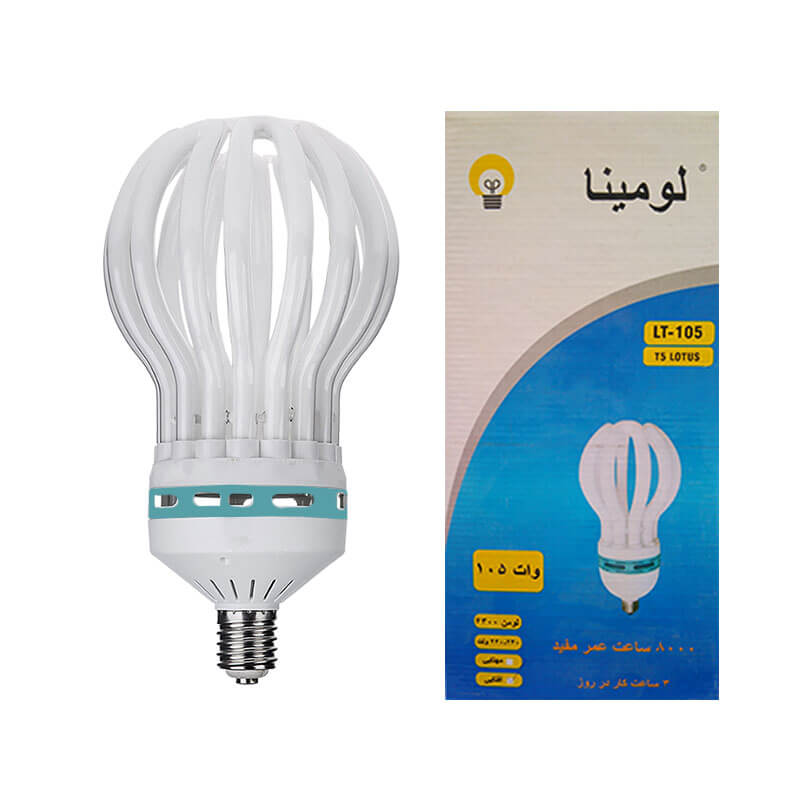
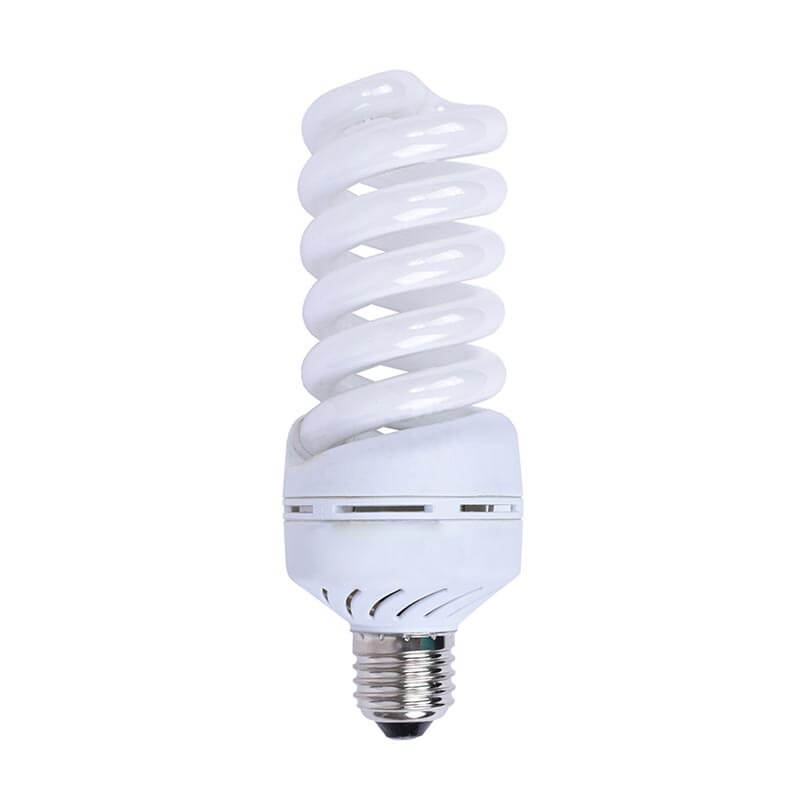
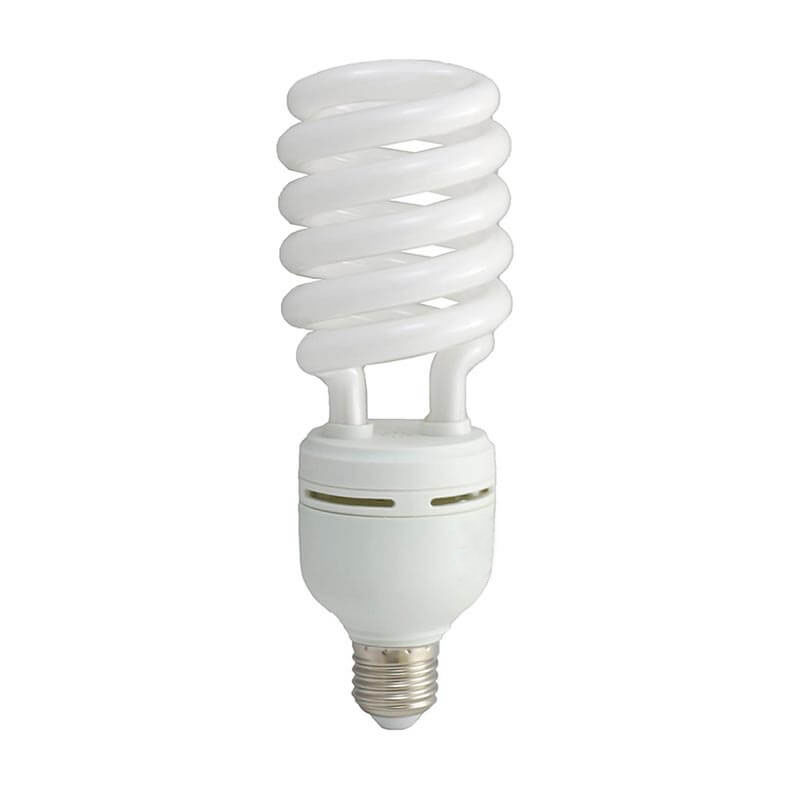
The need to create enlightenment and its importance in human life has always been challenged by limited resources and the high cost of energy production. Efforts to achieve the technologies that produce the most light using the least amount of energy led to the development of the Compact Fluorescent Lamp (CFL) in the 1970s.
The use of this lamp, in addition to creating economic savings, has been widely considered by consumers due to its ease of use in the traditional lighting system and is known as “low consumption lamp” due to its prominent and effective role in the field of green lighting. . Promoting the use of low-energy light bulbs in the short term due to rising electricity generation costs, limited fossil resources, gradual increase in global warming and pollution from power plant fuels, as a positive solution to save energy, courier and economic development Attention has been paid. Proper productivity along with long life, in addition to creating satisfaction and acceptance of the product, has made it possible for manufacturers to provide this product to consumers at a reasonable price and with appropriate warranty conditions.
Although a low-consumption lamp that is standard is very safe, due to the very small amount of mercury in the structure of this type of lamp, discarding them is a special method. Therefore, after the end of the useful life of these lamps, their maintenance should be such that they have the least unpleasant effects on humans and the ecosystem, so it is necessary to transfer them to a special waste place for recycling or sanitary disposal.